Wednesday, April 19, 2017

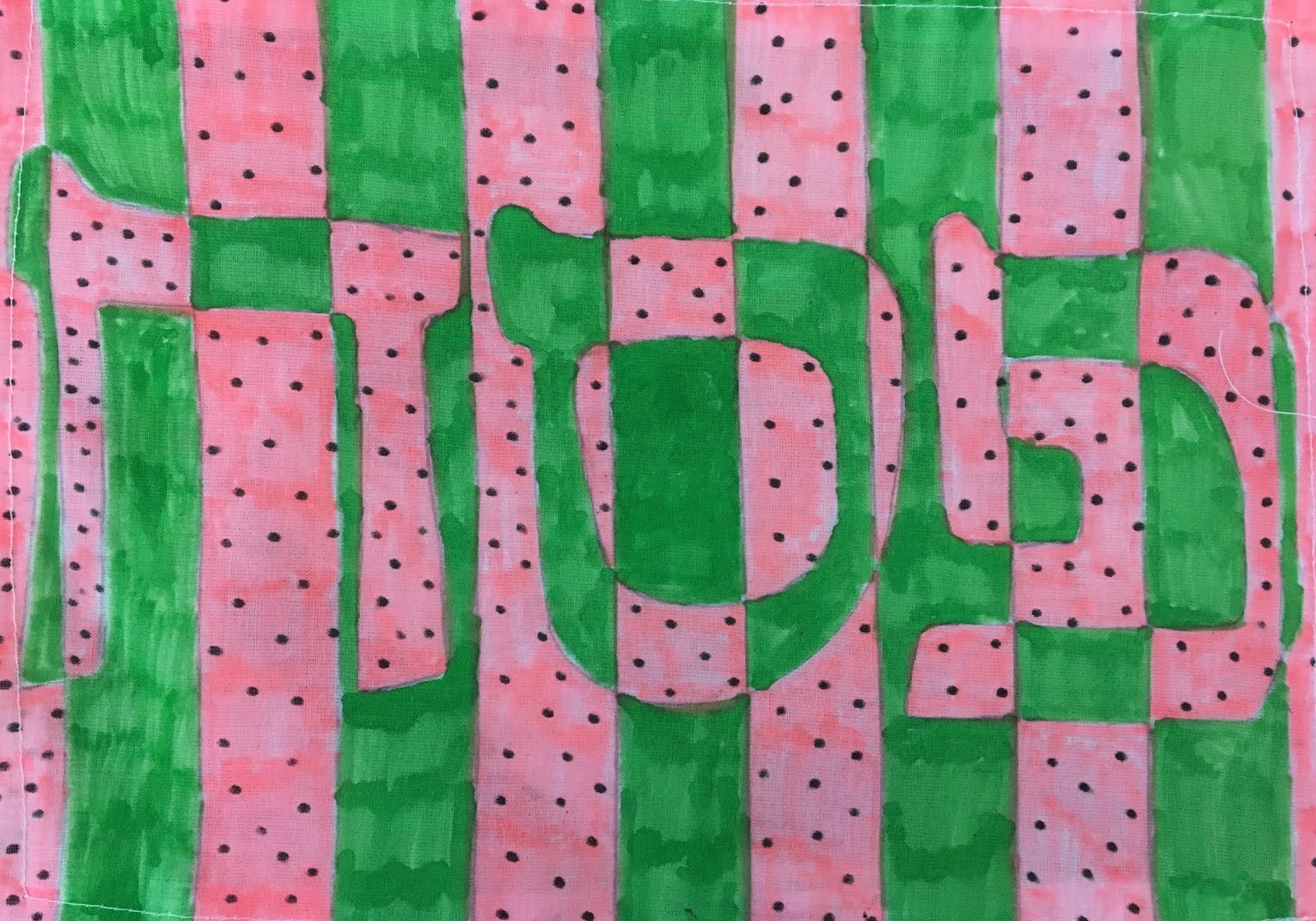
Passover: Fifth Grade Matza Covers

Fifth graders created these designs on fabric with fabric markers. First, they used stencils or drew freehand onto the fabric in pencil. Then, they carefully drew grid lines with a ruler, going through their bubble letters to chop them into different planes. Finally, they used fabric markers to create the eye-catching grid effect. 


Passover: First Grade Seder Plates

First graders created these beautiful Passover seder plates using Sculpey polymer clay, tissue paper, and mod podge. First, we created the ritual items: matza, charoset, parsley, egg, shankbone, saltwater, and bitter herb. As we made each one, students contributed their knowledge about the symbolism of each item.  Then, they smoothed tissue paper onto the plate with mod podge, which left it shiny and polished.


First Grade Chinese Dragons

First graders learned about Chinese New Year traditions. Being in a Jewish school, we discussed cross-cultural comparisons such as the focus on family, and the festival meal with traditional foods. I introduced the idea that Chinese dragons symbolize good luck and strength, which contrasts with traditional European fairy tale bad-guy dragons.  We drew the dragons step by step, focusing on noticing shapes and different kinds of lines. They used colored pencil and Sharpie to add vibrant colors. 


Tuesday, March 7, 2017

Eighth Grade Graffiti Tags

Eighth graders learned about graffiti and its influence on artists such as Keith Haring and Jean-Michel Basquiat. We had a group discussion about the cultural significance of how graffiti has evolved from an illegal form of street art, to a wildly popular and financially lucrative genre of art that is found in museums and galleries around the world.  Our discussion of graffiti art, particularly that of Basquiat, also brought up interesting topics such as whether or not art has to be beautiful or decorative. Additionally, an important topic that we touched on was the role of politics and socioeconomics in art, as many graffiti artists such as Shepherd Fairey create work that responds directly to world events. 

Keith Haring


Jean-Michel Basquiat
Banksy

Then, they researched and wrote about different graffiti styles. Finally, they created their own graffiti tags.


Surrealist Apples

As part of their unit on shading and value, seventh graders learned about the Surrealist art movement. Surrealism began around 1920, and the works often have a dreamlike or odd quality. Many art historians see Surrealism as a reaction to the horrors of World War I, as artists struggled with the dissonance of normalcy versus life during wartime. Some of the most famous Surrealist art works are by Salvador Dali, who created the "melting clock" painting entitled The Persistence of Memory.


For this project, we explored Son of Man by Rene Magritte.  This well-known, often parodied painting features one of Magritte's typical subjects, a man in a bowler hat.


Students used this painting as a jumping-off point for their own apple-centric Surrealist works. We had been working on shading to create dimensionality in apple drawings for quite a few weeks before this, and you can tell in their beautiful and technical depictions of the apples.